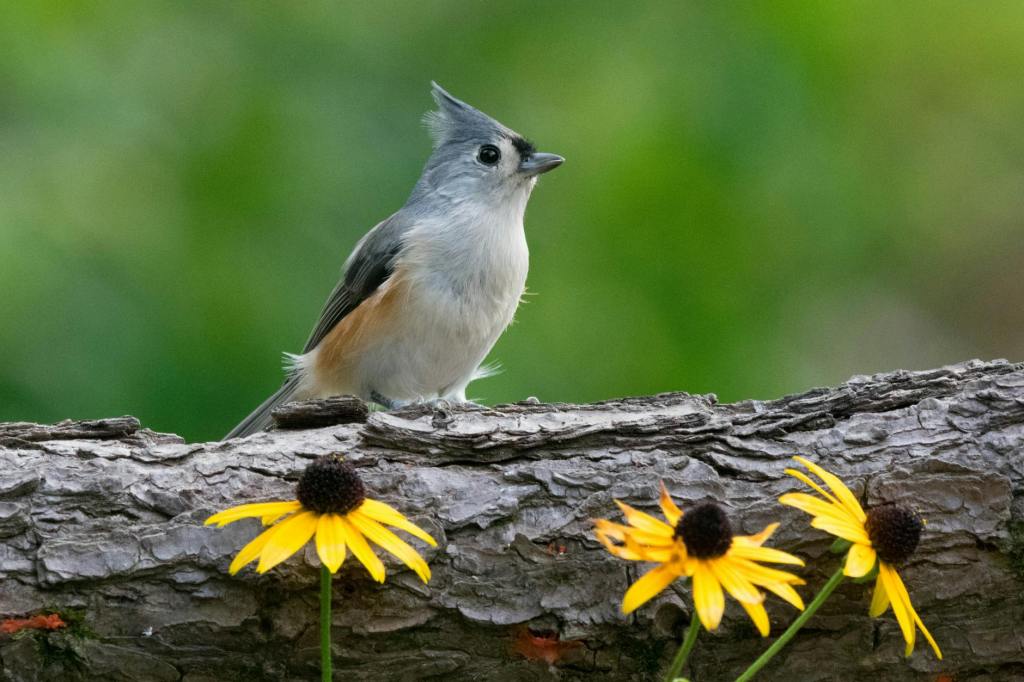
This year’s theme is “Gardening for the Birds.”
Check out submission criteria and get your entry in by October 25, 2024. https://moontownshipgardenclub.com/photo-contest/
This year’s theme is “Gardening for the Birds.”
Check out submission criteria and get your entry in by October 25, 2024. https://moontownshipgardenclub.com/photo-contest/
Online Native Plant Sale
Open Now Through Sun., March 24
A CURATED SELECTION OF NATIVE PLANTS
Orders Now Open for Phipps Conservatory’s Online Native Plant Sale
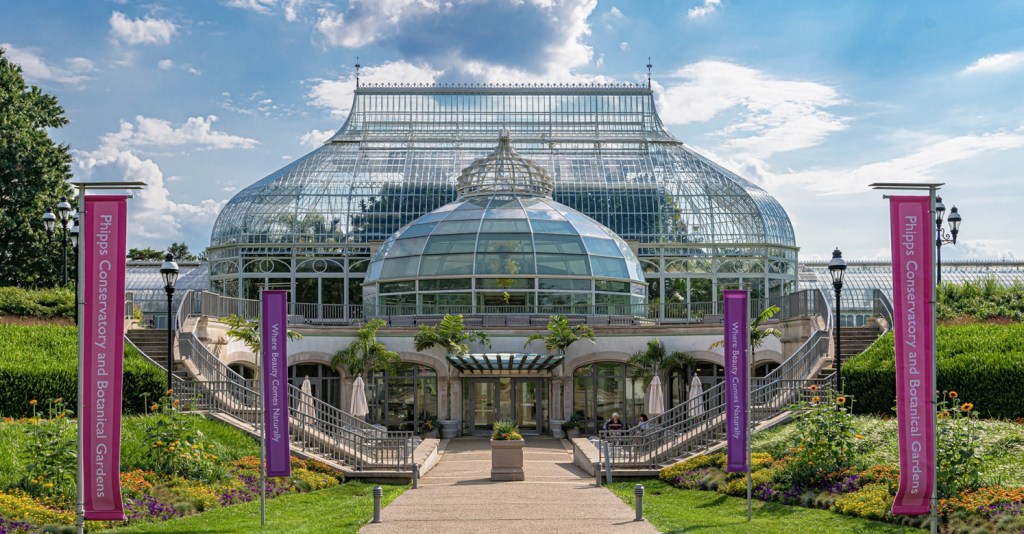
Phipps Conservatory and Botanical Gardens is pleased to open its Online Native Plant Sale. Guests are able to order from a curated selection of native plants on our website through Sun., March 24 before picking them up at Phipps Garden Center on either Sat., May 4 from 10 a.m. – 4 p.m. or Mon., May 6 from noon – 6 p.m.
We are selling strips of 4 or 5 native plant plugs. These are perfect for planting quantities of the same plant to create beautiful drifts that are beneficial to local wildlife. This sale features 17 plants native to our region. These are plants that not only feed and foster native bees, butterflies and birds; they are also disease and pest resistant, will not spread aggressively and need little additional care once established. These plant strips will make easy work for creating a new garden or expanding an existing flower bed.
To make things even easier, we now offer four plant packages. These are collections of plant species grouped together based on their preferred growing conditions. Along with your purchase of a plant package you will receive a suggested garden design to help your create the perfect garden bed for different site conditions. We have packages for both full sun and shade.
Ordering is open now through Sun., March 24. Click Here to Order.
Items on this website are not available to be shipped and must be picked up at Phipps Garden Center in Mellon Park on either May 4 or 6. We cannot guarantee the quality of the plants picked up after May 6.
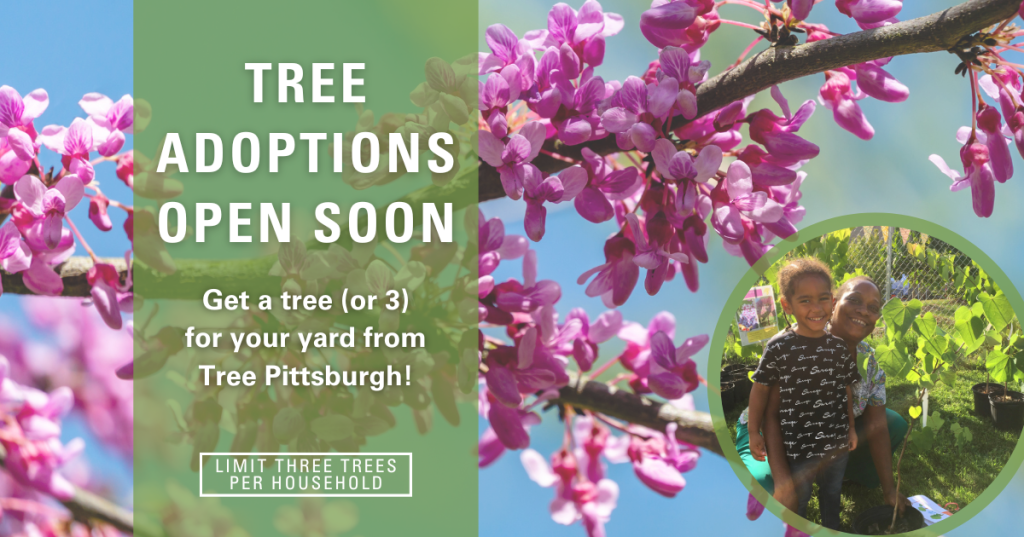
| Mark your calendars for Monday, March 25th! |
| At 8:00 a.m. on March 25th, we’re opening our tree adoption registration to the public. You’ll find the links in this newsletter, on social media, and on our website. These registrations fill up very quickly due to high demand! We also give several targeted low-canopy communities early access to registration before we release them to the public. This is part of our work to ensure that everyone has equal access to the benefits trees provide. |
| Spring Adoption LocationsMellon ParkNorth ParkPenn HillsSharpsburgSheraden ParkSouth ParkTree PittsburghWestinghouse Park Thanks for your interest in helping us grow Allegheny County’s tree canopy, one tree at a time! The Tree Adoption Team @ Tree Pittsburgh |

Purchase tickets in advance for savings! Buy from Club Members or online HERE!
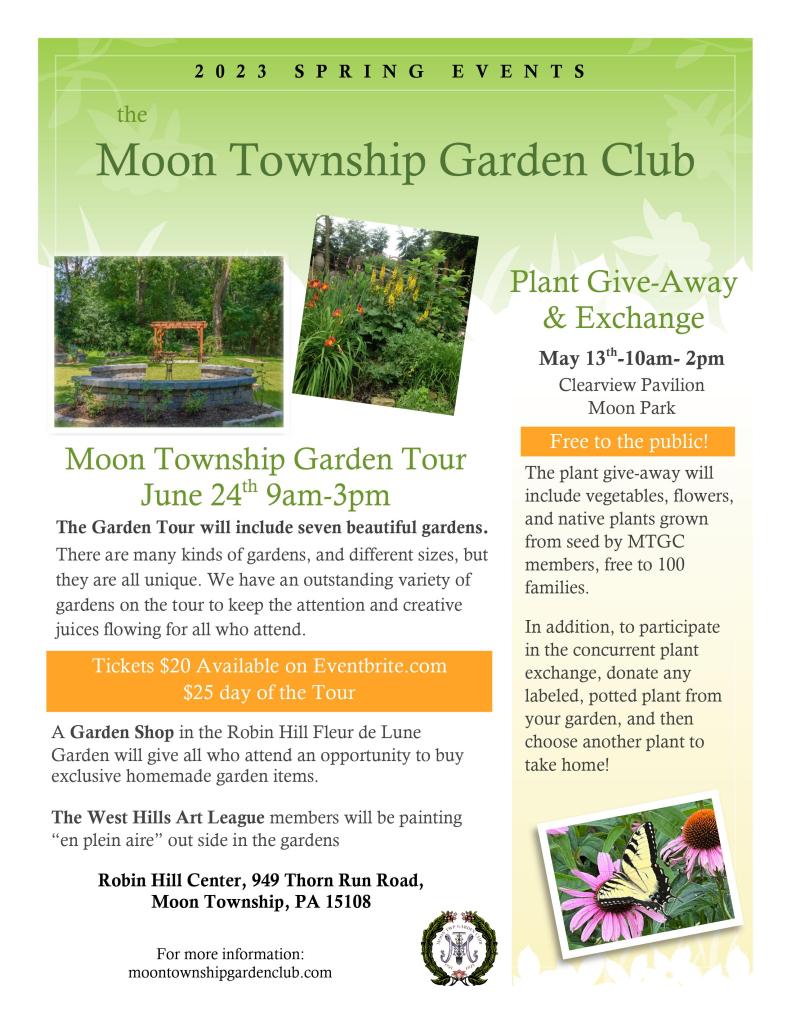
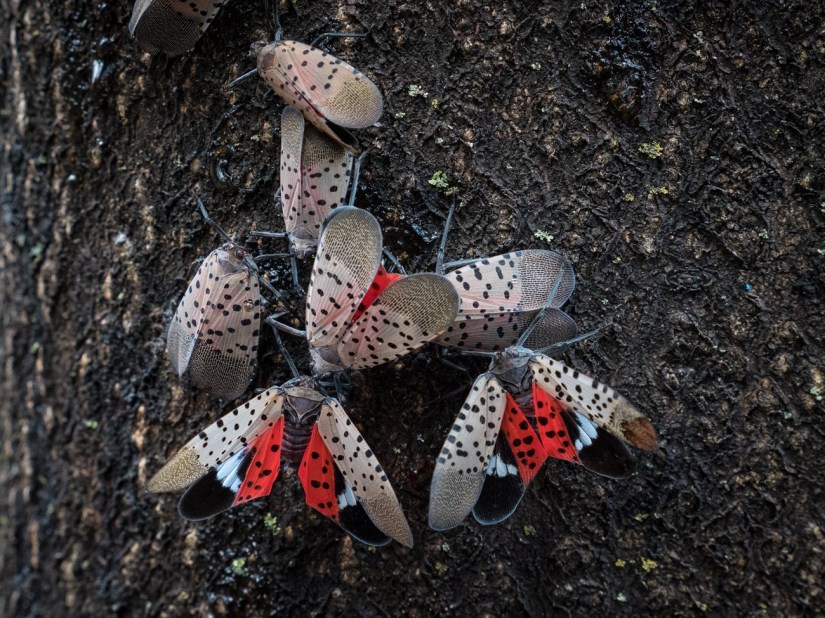
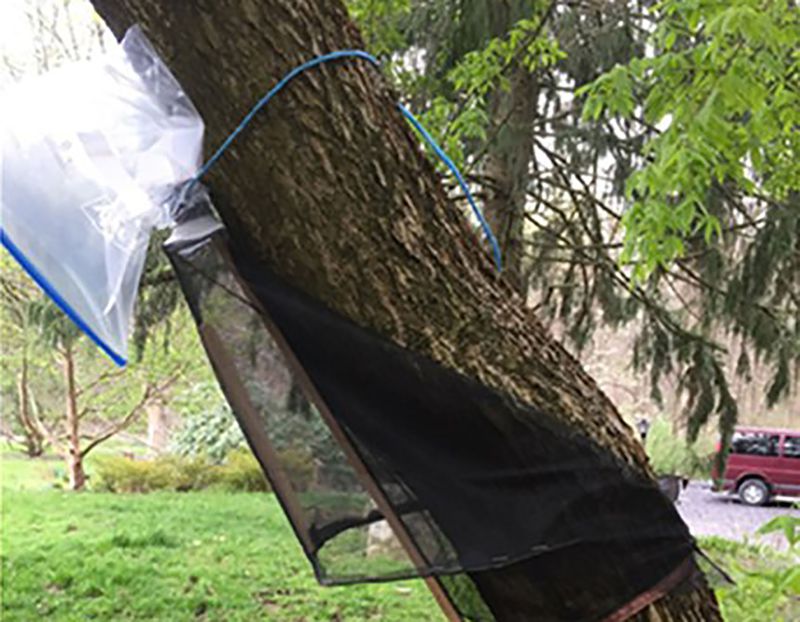
Thanks to Civic, Horticulture & Environment Committee Co-Chair Annemarie Malbon for demonstrating this method of eliminating this serious threat to our local forests.
When spotted lanternfly seeks out food it will use its straw-like mouthparts to tap into the vascular tissue of a tree and remove sap. The byproduct of sap intake is called honeydew.
Honeydew can build up and promote the growth of sooty mold, which can look like a black coating at the base of the host plant. The sooty mold can make it harder for the plant to survive. More than 100 species of ornamental trees, fruit-bearing trees, and vines can serve as a host for the spotted lanternfly to use for feeding and as a place to lay eggs. Preferred host plants are marked with an asterisk (*).
Some species include:
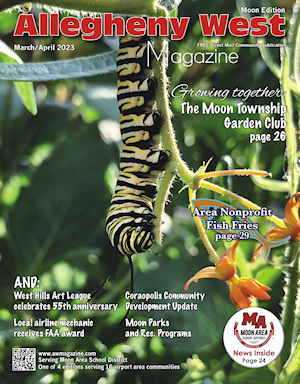
The cover photo was submitted by 2022 Garden Club member Alicia Li!
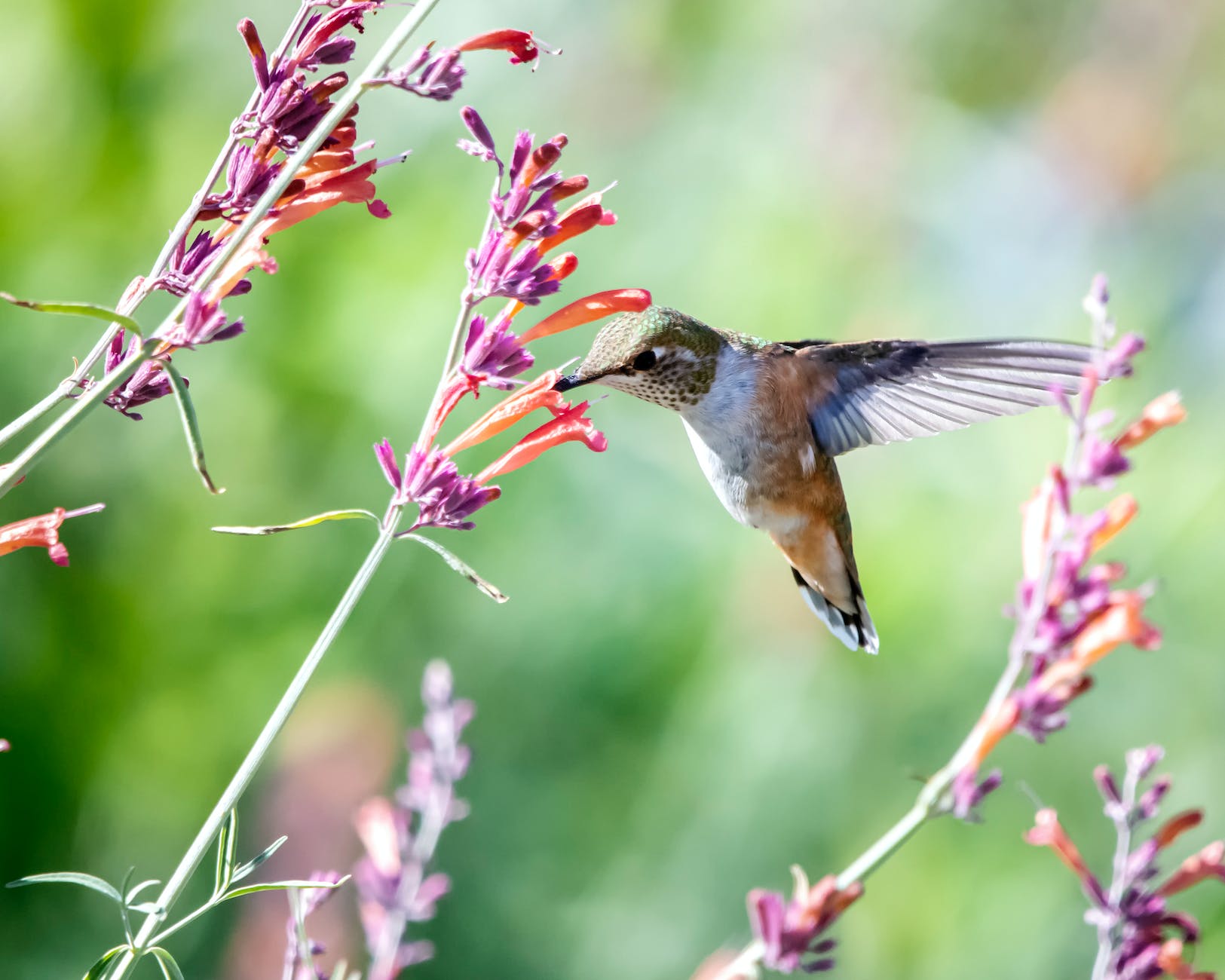
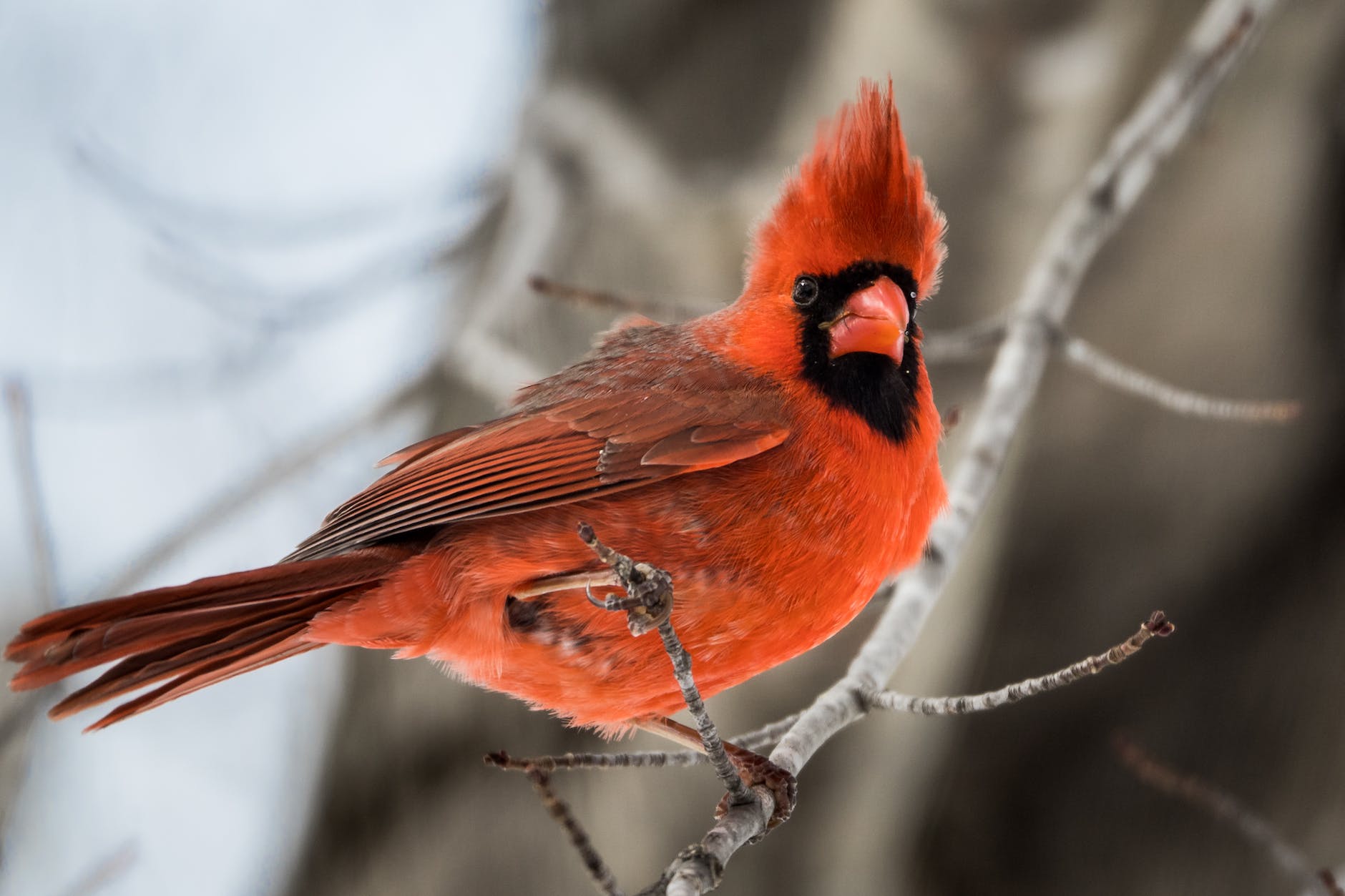
Come join us at Moon Parks and Recreation’s Earth Day event in the basketball courts at Moon Park on Sunday, April 23, 2023 1-3pm
Learn all about birds!
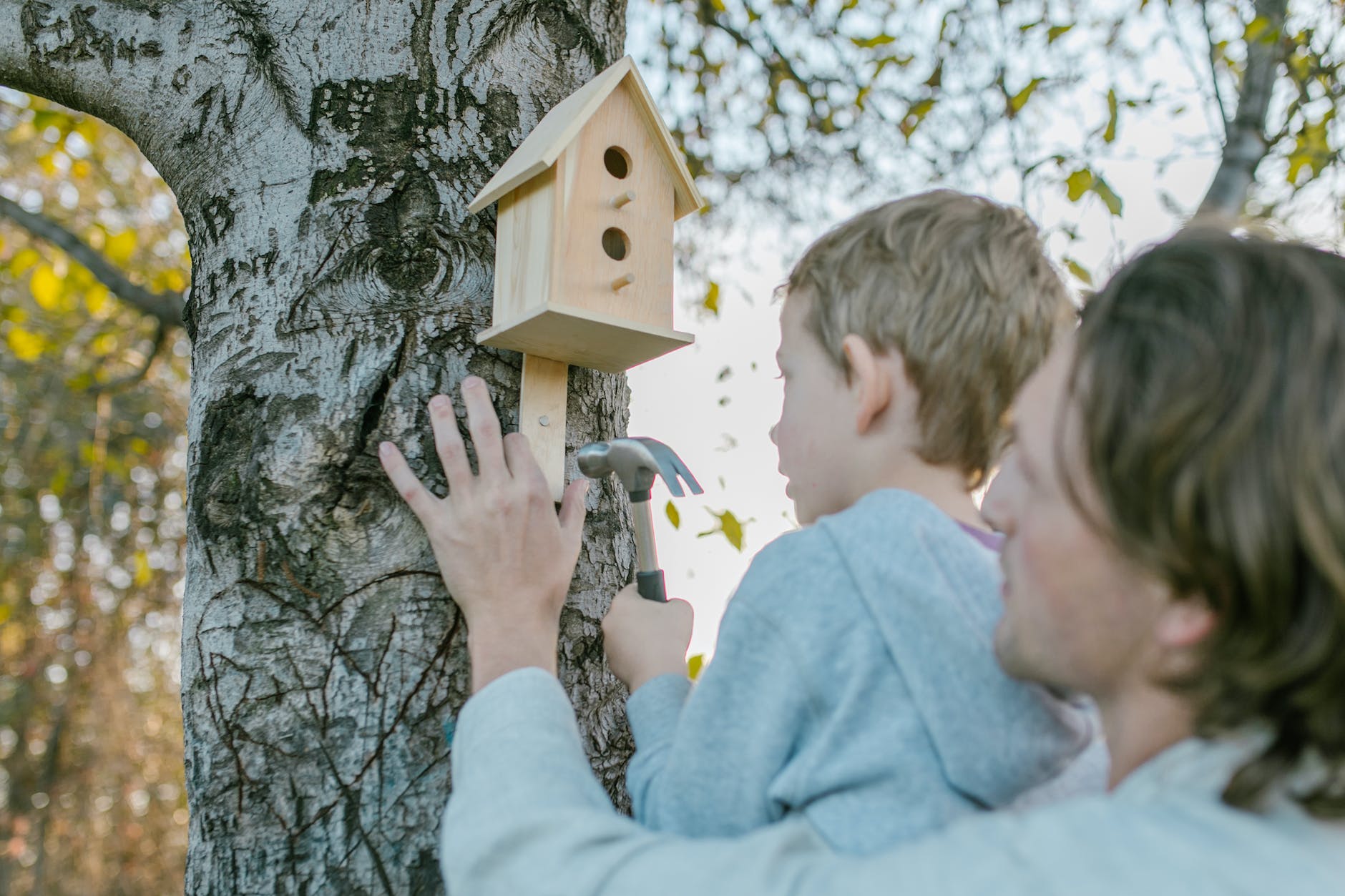
Make crafts for our feathered friends!
 Moon Township Garden Club